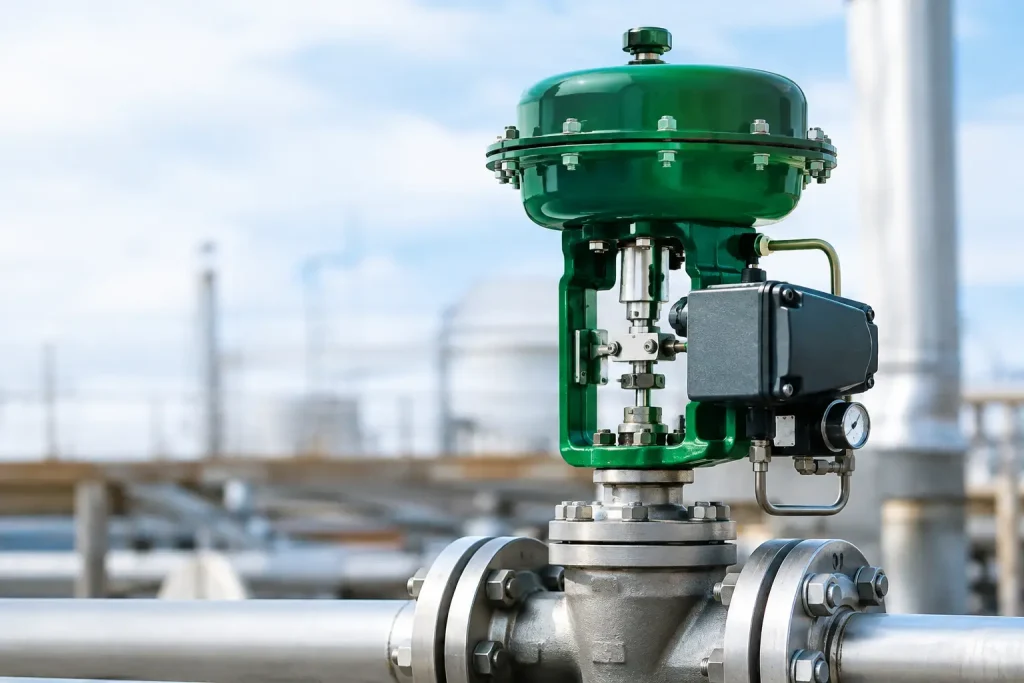
What Causes Valve Stiction in Control Valves?
What causes valve stiction? Learn how friction, packing load, air quality, positioner setup, and valve wear affect control loop performance and uptime.
Archer Valve Positioners, Limit Switches, Valve Monitors & Accessories

What causes valve stiction? Learn how friction, packing load, air quality, positioner setup, and valve wear affect control loop performance and uptime.
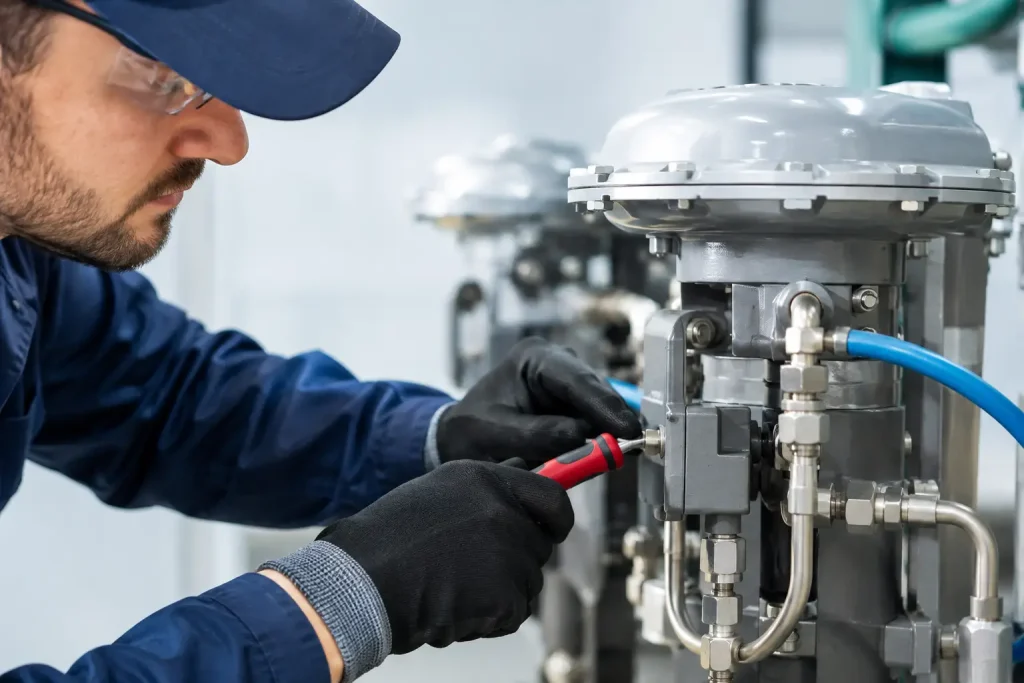
Actuator air leaks waste compressed air, slow valve response, and create process risk. Learn how to locate causes and restore dependable operation fast.

Valve diagnostics trends improve maintenance decisions with smarter position feedback, air monitoring, and fast replacement planning for critical assets.
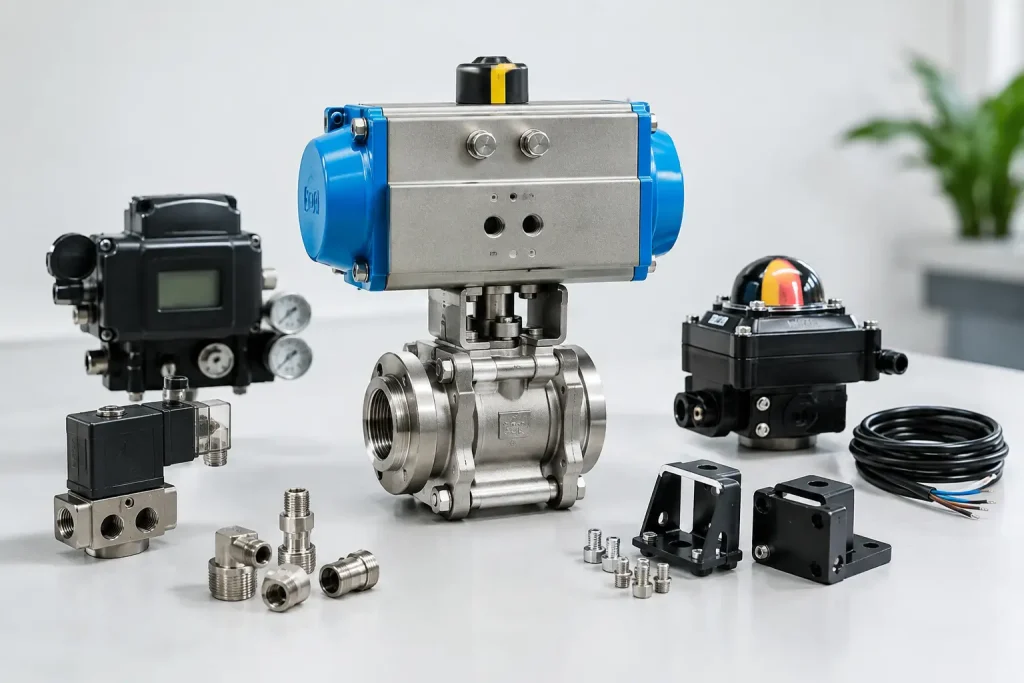
Use this accessory compatibility guide to match positioners, switch boxes, regulators, boosters, brackets, and fittings to automated valve assemblies safely.

Smart positioner technology trends are improving valve diagnostics, control accuracy, and maintenance planning for US process plants and OEMs today.
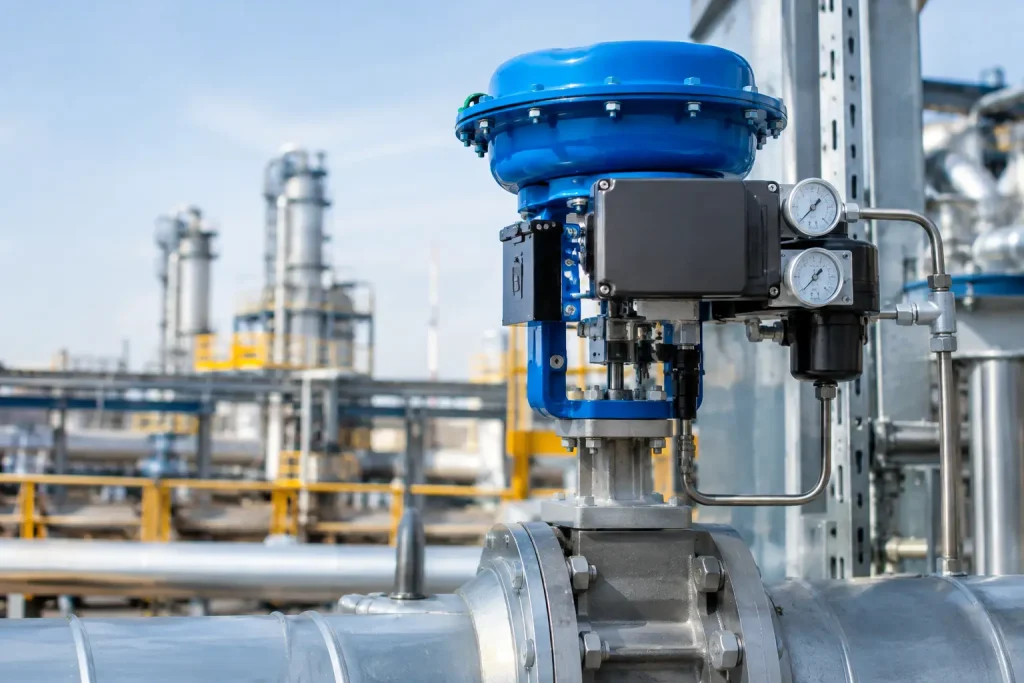
Choose the best pneumatic positioners for dampers with clear criteria for actuator match, air capacity, feedback, and reliable plant service conditions.

This industrial valve automation guide helps engineers specify positioners, switch boxes, regulators, and boosters for reliable, fast valve control systems
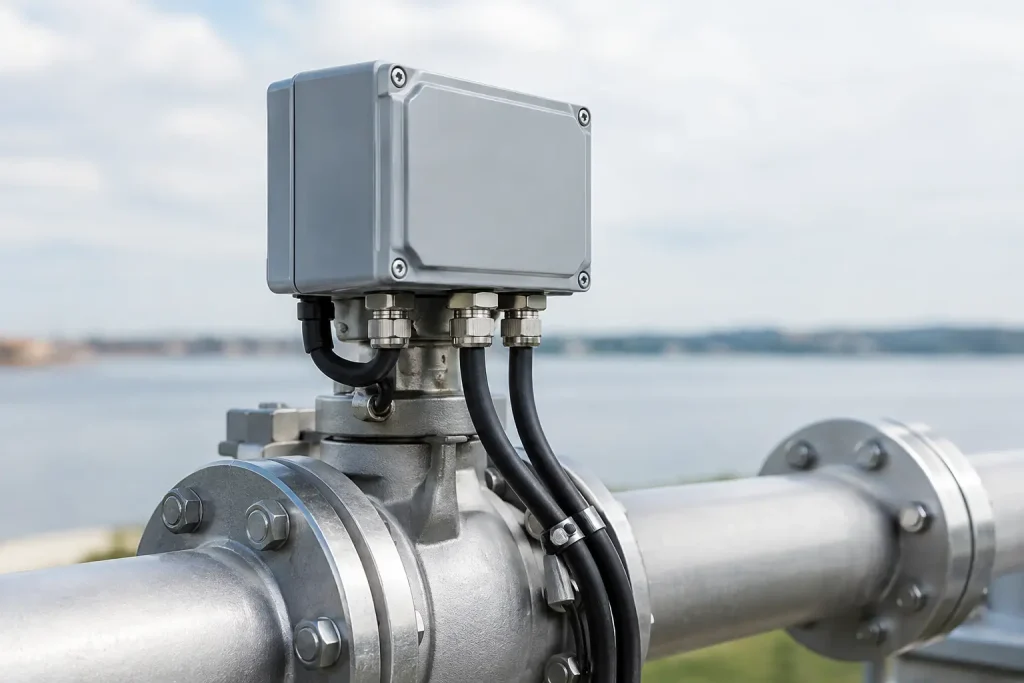
Compare corrosion resistant switchbox options by enclosure material, environmental rating, mounting, and feedback needs for reliable valve automation.
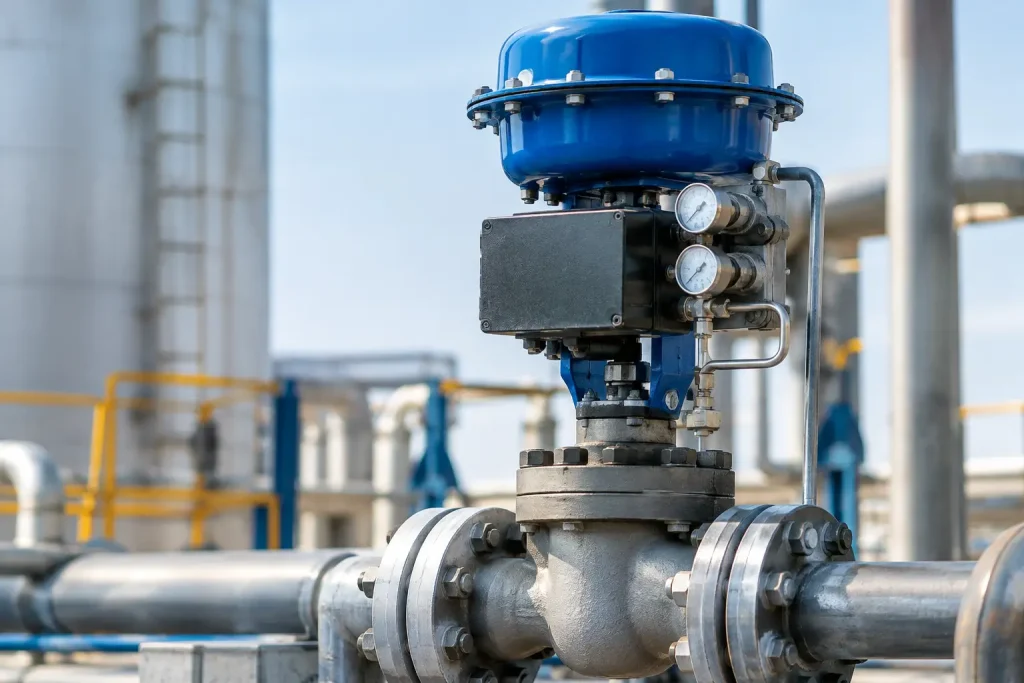
What causes valve deadband? Learn the mechanical, pneumatic, and control-loop sources, plus practical steps to diagnose and reduce costly cycling issues.
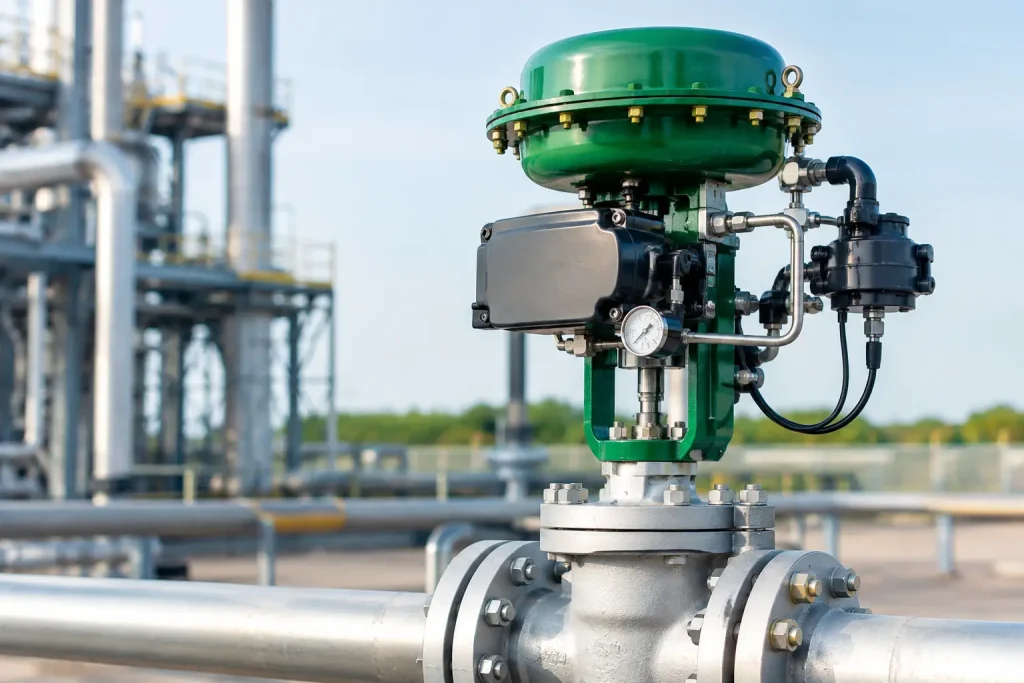
Improving loop stability starts with the valve, actuator, positioner, air supply, and tuning choices that keep process control steady and responsive daily.